Staff shortage exceeds 15% in Romanian courts

Articol de Radio România Actualităţi, 10 Martie 2026, 19:29
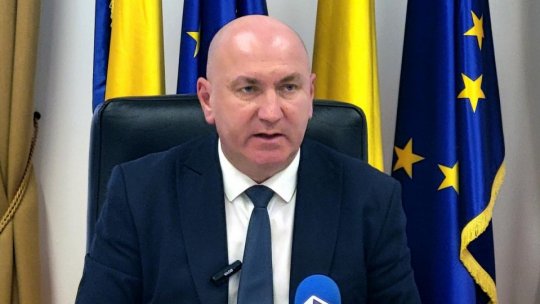
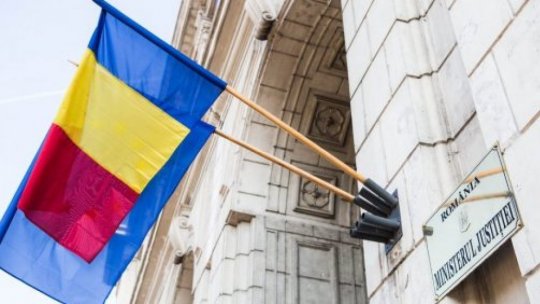
The staff shortage has exceeded 15% nationwide in Romanian courts, the judges' section of the Superior Council of Magistracy warns. In a meeting on Tuesday, the institution called on the government to unblock the entrance exams to the magistracy. Judges complain that in many courts things have become dramatic.
Diana Surdu followed up on the subject: "Judge Alin Ene, representative of the courts in the Supreme Council of Moldova, listed the situations of the Campina Court, where pieces of plaster or bricks from the ceiling fall onto the offices of the clerks and judges, of the Mizil Court, where the toilet is in the courtyard, of the Strehaia Court, where there is only one judge in action.
The dramatic situations in which courts could end up being closed or magistrates could give trial terms of one or two years can also occur in other cities.
Alin Ene: I spoke with the president of the Urziceni Court, where two judges were left with over 10.000 files. Why did this happen? For those who may not know, we managed to keep these unattractive courts afloat in two ways - through the competition for admission to the magistracy, which, here, was blocked by the government and the prime minister refuses to respond to our request to unblock it, and by delegating judges from other courts.
Magistrate Laura Radu, the representative of the courts in the Council, draws attention to the fact that an unprecedented and undesirable situation could arise, in which all the files in a county would be distributed to other regions. She argues that, if competitions are not organized in the long term to fill vacant positions in the courts, the situation will degenerate into an objective impossibility for the courts to function.
Without unblocking the competitions in the judiciary, there will be no access to justice in many counties in the country, such as Caras-Severin, Galati, Hunedoara and beyond, the judges of the Supreme Court of Romania report.”
Translated by: Radu Matei